https://cdn.steemitimages.com/DQmdbfEKXMpBLfBwyjPL3aG8DXQXQUQLFP2nYBXjw3NVp3W/Diapositiva1.JPG
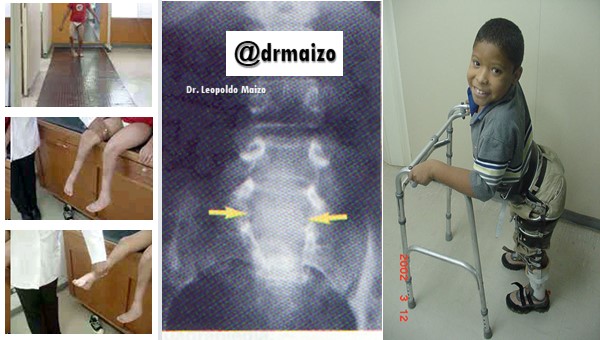
Spina bifida
Spina bifida is a congenital defect that occurs when the spine and spinal cord do not form properly. It is classified as a neural tube defect. The neural tube is the embryonic structure that eventually becomes the baby's brain and spinal cord, and the tissues that contain them. The neural tube usually forms in the early stages of pregnancy and closes by day 28 after conception. In babies with spina bifida, a part of the neural tube does not form or closes properly, resulting in defects in the spinal cord and bones of the spine. Spina bifida can range from mild to severe, depending on the type of defect, size, location, and complications. When early treatment is necessary for spina bifida, it is done with surgery, although such treatment does not always solve the problem completely.

https://cdn.steemitimages.com/DQmcMM6XPxSCWFKxYhiUitivb3ccDab9Af1gh3uEnpVxXTn/Diapositiva3.JPG
Types
The signs and symptoms of spina bifida vary by type and severity. Symptoms may also be different for each person. - ***Hidden spina bifida***. Because the sspinal nerves are usually not affected, there are usually no signs or symptoms. However, visible signs can sometimes be seen on the newborn's skin above the spinal defect; for example, an abnormal lock of hair, or a small dimple or birthmark. - ***Meningocele.*** The membranes surrounding the spinal cord protrude through an opening in the vertebrae and form a fluid-filled sac, but this sac does not include the spinal cord. - ***Myelomeningocele.*** In this severe form of spina bifida: The spinal canal opens into several vertebrae in the lower or middle of the back. Both the membranes and the spinal cord or nerves protrude at birth and form a sac. Tissues and nerves are often exposed, although sometimes the skin covers the sac.
https://cdn.steemitimages.com/DQmc5sNanKynPiyFguRzoV5X54xPxsYMgz3uEL6rScfirCH/Diapositiva2.JPG
Prevention
If you are actively trying to conceive, most pregnancy specialists believe that the best approach for women planning a pregnancy is to take a supplement of at least 400 mcg of folic acid a day. The body does not absorb folate as easily as it absorbs synthetic folic acid, and most people do not receive the recommended amount of folic acid through the diet alone, so vitamin supplements are necessary to prevent spina bifida. In addition, folic acid may also help decrease the risk of other birth defects, such as cleft lip, cleft palate, and some congenital heart defects. It's also a good idea to eat a healthy diet that contains foods rich in folate or fortified with folic acid. This vitamin is naturally present in many foods, including: beans, citrus and juices, egg yolks, dark green leafy vegetables, such as broccoli and spinach.
Dr. Leopoldo Maizo - Orthopedic Surgeon
-------------------- #
######
Firma diseñada por @themonkeyzuelans, contáctalos vía Discord "themonkeyzuelans#9087"
# ------------ Great projects from the Steemit community:

[click here](https://steemit.com/@fundition) @fundition - My Fundition campaign: https://fundition.io/#!/@drmaizo/6f88ggj8h

[click here](https://steemit.com/@cryptoeater) @cryptoeater

[click here](https://steemit.com/@familyprotection) @familyprotection
.png)
[click here](https://steemit.com/@talentclub) @talentclub

Originally posted here: https://steemit.com/fundition/@drmaizo/spina-bifida-an-orthopedic-disease-1557940598

No comments:
Post a Comment